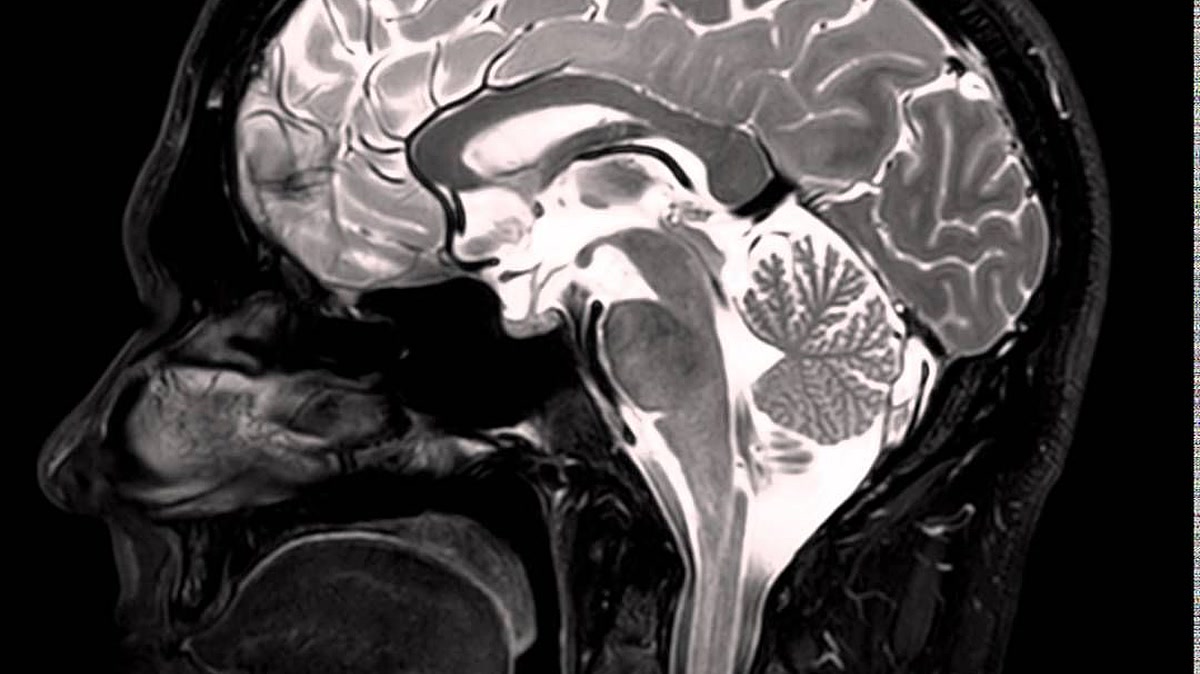
“Dopamine detox” is one of the internet’s favourite productivity ideas — and one of its most misunderstood. You can’t flush a brain chemical by staring at a wall for a day. But underneath the myth is something real: your tolerance for ordinary life can be reset, if you take a deliberate break from the things engineered to spike it. Here’s what that actually means, and how to do it without the pseudoscience.
The phrase promises a clean slate: go cold turkey on stimulation and your brain “resets” to enjoy simple things again. The biology is shakier than that. But the instinct is sound, and there’s a version that works — once you’re clear on what you’re actually detoxing from.
What a dopamine detox actually is
Dopamine isn’t a toxin, a poison, or a pleasure meter you can drain. It’s a signalling molecule your brain uses for motivation, movement, and learning — you need a steady supply just to get off the couch. You can’t and wouldn’t want to “get rid” of it, so a literal dopamine detox is impossible. What people are really reaching for is a break from compulsive, high-stimulation behaviours — the ones that train your brain to expect a constant drip of novelty.
The term started as “dopamine fasting,” coined by psychologist Dr. Cameron Sepah as a half-ironic label for a plain idea: periodically step back from impulsive habits — endless scrolling, junk food, compulsive checking — so they loosen their grip. It was never about the molecule. It was about the behaviours.
The myth to ignore
Somewhere online, dopamine fasting mutated into a monk-like ritual: no talking, no eye contact, no music, no food, a day in a dim room. There’s no evidence that starving yourself of all input does anything but make a dull day. Worse, it misses the point — the problem was never conversation or a walk outside. It was the variable-reward loops on the device in your pocket.
Key takeaways
- Dopamine isn’t a toxin — you can’t detox it, and you wouldn’t want to.
- The useful idea is a break from compulsive, high-stimulation habits, not from life.
- It began as “dopamine fasting” (Dr. Cameron Sepah) — about behaviours, not the molecule.
- Skip the extreme versions; target the variable-reward apps, not conversation or daylight.
What to actually target
The habits worth resetting share one signature: an unpredictable reward, available instantly, on a device that’s always with you. Infinite social feeds. Short video. The pull-to-refresh inbox. News doomscrolling. Mobile games. Each trains the same reflex — check, get a hit or nothing, check again. That intermittent payoff is what makes a slot machine sticky, and it’s why “just use it less” so rarely holds.
How to do one that works
- Pick a window, not a lifestyle. Start with a few hours or a single day. You’re after a reset, not a vow.
- Name the specific culprits. Not “all screens” — the two or three apps that eat the most of you. A real dopamine detox is targeted, not total.
- Make the off switch hard to reach. Willpower fails when the app is one tap away. Log out, delete it for the day, or put the device in another room. The friction is the method.
- Replace, don’t just remove. Line up the low-stimulation things you never get to — a walk, a book, plain boredom. The point is to feel ordinary again.
- Expect it to feel flat at first. The restlessness is the reset happening. It passes, and small things start to register.
The honest part
A dopamine detox works to the exact degree that you can’t undo it in a weak moment. That’s the catch with running it on your phone: the off switch and the temptation live on the same screen.
It’s the same reason scheduled focus modes and screen-time limits quietly fail — the button to end them sits two taps away, on the very device you’re trying to step back from. The friction is the feature; take it away and the reset never sticks.
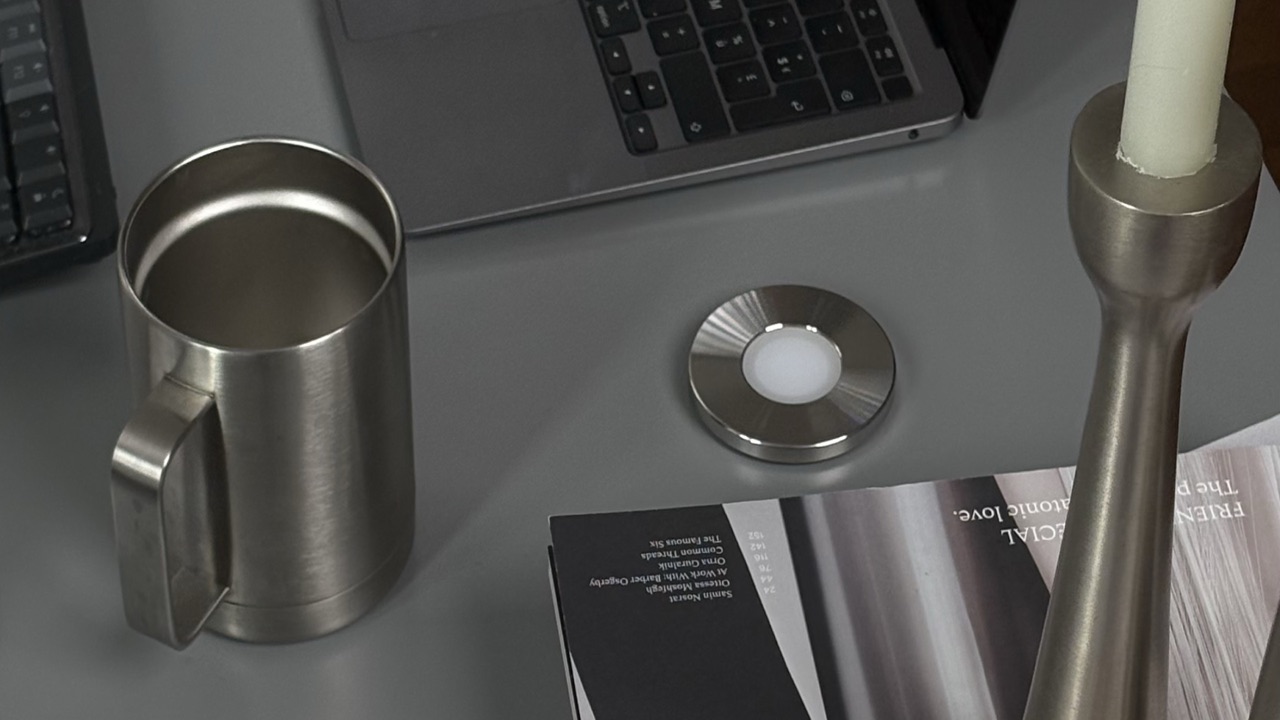
Norma is one way to put that friction back. It’s a steel disc you scan to block your chosen apps — the highest-stimulation ones — and they stay gone until you physically scan again. No timer to wait out, no “end session” button on the same screen. It turns a one-day experiment into something you can actually hold to. Here’s how it works.
Make the reset stick.
A steel disc you scan to silence your most distracting apps — no timer, and no off switch left on the same screen.
Questions, answered.
- What is a dopamine detox?
- A deliberate break from compulsive, high-stimulation habits — endless scrolling, short video, constant checking — so they loosen their grip. Despite the name, it doesn’t lower or “reset” dopamine itself; it resets the behaviours.
- Does a dopamine detox actually work?
- The extreme, no-input versions have no real evidence behind them. But a focused break from your most compulsive apps genuinely helps — because you’re interrupting the variable-reward loop, not the chemical.
- How long should a dopamine detox last?
- Start small: a few hours or a single day. It’s a reset, not a lifestyle, and frequent short breaks tend to hold better than one heroic 30-day attempt.
- How do you do a dopamine detox from your phone?
- Name the two or three apps that cost you the most, make them genuinely hard to reach (log out, delete, or leave the phone in another room), and replace them with low-stimulation activities for the window you chose.
- Is a dopamine detox the same as dopamine fasting?
- Yes — “dopamine fasting” is the original term, coined by Dr. Cameron Sepah. Both mean stepping back from impulsive behaviours; neither actually fasts from dopamine.
- Can you really reset your dopamine levels?
- Not literally — dopamine is essential and self-regulating. What you can reset is your tolerance for ordinary, less-stimulating things, by stepping away from the constant novelty for a while.
Sources