आपने इस बारे में एक से ज़्यादा बार सोचा है: ऐप्स फ़ोन से हट जाएँ और आपका कुछ ध्यान आपको वापस मिल जाए। फिर याद आता है ग्रुप चैट, वह क्लाइंट जो सिर्फ़ Instagram पर जवाब देता है, वह दोस्त जिसकी पार्टी की ख़बर आपको बहुत देर से मिलती। सोशल मीडिया से ब्रेक गंभीरता से लेने लायक है — और इसका मतलब है इस बारे में भी ईमानदार होना कि वह क्या छीनता है, सिर्फ़ यह नहीं कि क्या देता है।
आप कुछ असामान्य नहीं कर रहे होंगे। Pew Research Center के 2018 के एक सर्वे में अमेरिका के 42% वयस्क Facebook उपयोगकर्ताओं ने कहा कि पिछले साल उन्होंने कई हफ़्तों या उससे ज़्यादा के लिए इस प्लेटफ़ॉर्म से ब्रेक लिया था, और 26% ने ऐप को फ़ोन से हटा दिया था। कुछ समय के लिए दूर हट जाना एक सामान्य बात है जो लोग करते हैं — आमतौर पर एक से ज़्यादा बार।
क्या आपको सोशल मीडिया छोड़ देना चाहिए?
कभी-कभी जवाब ना होता है, और यह साफ़ कह देना ज़रूरी है। अगर आपका काम किसी प्लेटफ़ॉर्म से होकर चलता है, अगर आपका समुदाय वहीं रहता है, अगर विदेश में बसे परिवार से आप उसी के ज़रिए मिलते हैं या नौकरियों और आयोजनों की ख़बर वहीं से पाते हैं, तो पूरी तरह निकल जाने की एक कीमत है — जो तुरंत चुकानी पड़ती है, जबकि कोई भी फ़ायदा अनिश्चित बना रहता है। लोग जिस पहली हानि की बात करते हैं वह शायद ही कभी ऊब होती है। वह यह होती है कि उन्हें बुलाया जाना बंद हो जाता है, क्योंकि न्योता कभी ऐप से बाहर निकला ही नहीं।
ब्रेक लेने का फ़ायदा ज़्यादा होने की गुंजाइश तब है, जब:
- आप तय किए बिना ऐप खोल लेते हैं, और यह याद रखे बिना बंद करते हैं कि क्यों खोला था।
- वह जितना समय लेता है, उसे आप नाम दे सकते हैं — नींद, काम, वे लोग जो आपके साथ कमरे में हैं।
- आप ज़्यादातर सिर्फ़ खपाते हैं। अगर आप पोस्ट करने या जवाब देने के मुकाबले कहीं ज़्यादा स्क्रॉल करते हैं, तो सामाजिक हिस्सा आपके लिए फ़ीड से कम कर रहा है।
- आप पहले कम इस्तेमाल करने की कोशिश कर चुके हैं और वह टिकी नहीं।
और यह शायद ग़लत फ़ैसला है अगर वह प्लेटफ़ॉर्म ऐसा काम कर रहा है जो और कुछ नहीं करता। तब काम का कदम छोड़ देने से कहीं सँकरा है: अकाउंट रखिए, फ़ीड काट दीजिए।
मुख्य बातें
- सोशल मीडिया ब्रेक तय प्लेटफ़ॉर्मों के बारे में, एक तय अवधि के लिए लिया गया फ़ैसला है — कोई पवित्रता की परीक्षा नहीं।
- सबूत मिले-जुले हैं: एक छोटे ट्रायल में अल्पकालिक फ़ायदे मिले, दस अध्ययनों के 2025 के मेटा-विश्लेषण में कोई सार्थक औसत प्रभाव नहीं मिला।
- लागतें असली हैं और तुरंत आती हैं — न्योते, काम, समुदाय — इसलिए जाने से पहले उन्हें नाम दीजिए।
- संदेश रखिए, फ़ीड छोड़िए: जिसकी आपको सचमुच कमी खलेगी, उसका ज़्यादातर हिस्सा निजी संदेशों में है, टाइमलाइन में नहीं।
सबूत असल में क्या कहते हैं
सुर्खियाँ जितना बताती हैं, उससे कम — और दोनों दिशाओं में।
University of Bath के एक रैंडमाइज़्ड ट्रायल में 154 वयस्कों से एक हफ़्ते तक सोशल मीडिया न इस्तेमाल करने को कहा गया। जिन्होंने ऐसा किया, उन्होंने जारी रखने वालों के मुकाबले बेहतर सेहत और अवसाद व चिंता के कम स्कोर बताए — यह अल्पकालिक फ़ायदा था, ख़ुद लेखकों के शब्दों में, और उन्होंने साफ़ कहा कि आगे कुछ भी कहने से पहले वे लंबी फ़ॉलो-अप चाहते हैं।
अध्ययनों को एक साथ रखिए तो तस्वीर सपाट हो जाती है। Scientific Reports में छपी 2025 की एक व्यवस्थित समीक्षा और मेटा-विश्लेषण ने दस परहेज़ अध्ययनों को जोड़ा — 4,674 लोग, 38 प्रभाव-आकार — और सकारात्मक भाव, नकारात्मक भाव या जीवन-संतुष्टि पर कोई सार्थक प्रभाव नहीं पाया, और ब्रेक की लंबाई तथा नतीजे के बीच कोई संबंध भी नहीं।
सबसे विस्तृत प्रयोग नैदानिक कम और आर्थिक ज़्यादा है। 2018 के मध्यावधि चुनाव से पहले के चार हफ़्तों के लिए अमेरिकी Facebook उपयोगकर्ताओं को अकाउंट निष्क्रिय करने के पैसे देने से व्यक्तिपरक सेहत और परिवार व दोस्तों के साथ ऑफ़लाइन मेल-जोल बढ़ा, और ख़बरों की तथ्यात्मक जानकारी घट गई।
तो: एक वाजिब प्रयोग, जिसमें हल्का-सा संभावित फ़ायदा है और एक असली अदला-बदली भी। यह इलाज नहीं है। अगर आप लगातार बने रहने वाले उदास मन या चिंता से जूझ रहे हैं, तो वह किसी पेशेवर के पास ले जाने की बात है, ऐप हटाने की नहीं।
लॉग आउट करें, ऐप हटाएँ, या उसे ब्लॉक करें
- लॉग आउट कीजिए। सबसे सस्ता और सबसे कमज़ोर — पासवर्ड सेव है और ब्राउज़र अब भी चलता है। एक वीकेंड भर के लिए स्पीड ब्रेकर, महीने भर की योजना नहीं।
- ऐप हटाइए, अकाउंट रखिए। ज़्यादातर ब्रेक के लिए यही सही कदम है। प्रोफ़ाइल, संदेश और इतिहास बने रहते हैं; सिर्फ़ अंदर जाने का सबसे तेज़ रास्ता ग़ायब होता है। पेच यह है कि दोबारा इंस्टॉल करने में एक मिनट से भी कम लगता है।
- अकाउंट निष्क्रिय कीजिए। ज़्यादा मज़बूत, और ज़्यादातर बड़े प्लेटफ़ॉर्म पर यह हटाने से अलग है — ऐप में लिखी भाषा देख लीजिए, क्योंकि क्या-क्या बचा रहता है यह अलग-अलग होता है। पहले लोगों को बता दीजिए: बाहर से लगता है कि आप ग़ायब हो गए।
- स्थायी रूप से हटाइए। यह अलग फ़ैसला है: आमतौर पर पलटा नहीं जा सकता, आमतौर पर आपके संदेश और तस्वीरें भी साथ ले जाता है, और यह ऐसा फ़ैसला नहीं जो बुरे हफ़्ते के बाद रात एक बजे लिया जाए। उसकी जगह अकाउंट निष्क्रिय कीजिए, और एक महीने बाद फिर तय कीजिए।
- ऐप ब्लॉक कीजिए। अकाउंट भी रहता है और पहुँच भी हट जाती है — कुछ नष्ट नहीं होता, आप बस उसे खोल नहीं सकते। iPhone पर ऐप्स कैसे ब्लॉक करें में यह तरीक़ा विस्तार से है।
संदेश रखिए, फ़ीड छोड़िए
लोग जो खोने से सबसे ज़्यादा डरते हैं, वह फ़ीड नहीं है। वह नीचे की निजी परत है — ग्रुप चैट, किसी क्लाइंट का संदेश, वह थ्रेड जिसमें शनिवार की योजना बनती है। अक्सर दोनों साफ़-साफ़ अलग हो जाते हैं: Messenger और WhatsApp अपने अलग ऐप हैं और फ़ीड वाला ऐप हटने के बाद भी बने रहते हैं।
Instagram असुविधाजनक मामला है, क्योंकि उसके निजी संदेश उसी ऐप के भीतर रहते हैं जिससे आप छुटकारा चाहते हैं। अगर आपके लोग वहीं हैं, तो उसे मत हटाइए — उसकी जगह खिंचाव काट दीजिए। जो इंसान नहीं है उसकी सूचनाएँ बंद, ऐप होम स्क्रीन से बाहर, और ख़ुद फ़ीड पर ब्लॉक। जो आधा उपाय टिक जाए, वह उस साफ़-सुथरी विदाई से बेहतर है जिसे आप चार दिन में पलट देते हैं।
लोगों को बताइए कि आप कहाँ मिलेंगे
पहले हफ़्ते में ब्रेक टूटने की सबसे आम वजह तलब नहीं होती। वह एक व्यावहारिक समस्या होती है जिसे आपने पहले से हल नहीं किया: किसी को आपकी ज़रूरत थी, वह आप तक पहुँच नहीं पाया, तो आपने जवाब देने के लिए ऐप दोबारा इंस्टॉल किया — और वहीं रुक गए। पहले से दस मिनट लगा देने पर इसका ज़्यादातर हिस्सा टल जाता है।
- एक बार, साफ़ शब्दों में कह दीजिए। एक पोस्ट: तीन हफ़्ते के लिए दूर हूँ, यह रहा मेरा नंबर या ईमेल।
- उन चार लोगों को बता दीजिए जो सचमुच आपके साथ चीज़ें तय करते हैं, सीधे, किसी पोस्ट में नहीं।
- जो लगातार चलने वाली ज़िम्मेदारियाँ हैं, उन्हें बाहर ले आइए — शनिवार की योजना, साझा कैलेंडर, और वह सब जो सिर्फ़ किसी ग्रुप के भीतर मौजूद है।
- देख लीजिए कि आप किससे लॉग इन करते हैं। जिस प्लेटफ़ॉर्म से आप कहीं और लॉग इन करते हैं, उसे निष्क्रिय करने पर आप वहाँ से बाहर हो सकते हैं।
- आख़िरी तारीख़ अभी तय कर लीजिए। बिना अंत वाला ब्रेक ऐसा फ़ैसला है जो आपको बार-बार लेना पड़ता है।
पहला हफ़्ता ही वह जगह है जहाँ यह टूटता है
- वे ख़ाली पाँच मिनट। कतार, लिफ़्ट, विज्ञापन का ब्रेक। हाथ अपने आप बढ़ता है, इसलिए उस ख़ाली जगह को कुछ और दे दीजिए, इससे पहले कि वह अपना जवाब ख़ुद खोज ले।
- देर रात। ग्यारह बजे के बाद सोचने की ताक़त पतली पड़ जाती है, और दोबारा इंस्टॉल करना एक छोटा, समझदार अपवाद लगने लगता है।
- वह चीज़ जो छूट गई। यह असली है — और स्क्रॉल करने से ज़्यादा चुभती है, और यही वह वजह है कि जाने से पहले लोगों को बता देना चाहिए कि वे आप तक कैसे पहुँचें।
- सारांश वाला ईमेल। ग़ैरहाज़िरी का जवाब आमतौर पर इस बारे में मेल से मिलता है कि आप क्या-क्या छोड़ रहे हैं। जाने से पहले ईमेल सूचनाएँ बंद कर दीजिए।
ईमानदार हिस्सा
ब्रेक लगभग उतना ही काम करता है जितना उसे पलटना मुश्किल हो। ऐप हटाना एक अच्छा फ़ैसला है जो आप एक बार लेते हैं। उसे दोबारा इंस्टॉल करना ऐसा फ़ैसला है जो दिन में सौ बार आपके सामने खुला रहता है, उसी डिवाइस पर, एक मिनट से भी कम में।
अपनी शर्तों पर वापसी
ज़्यादातर लोग लौट आते हैं, और यह नाकामी नहीं है। ब्रेक का काम का नतीजा शायद ही कभी परहेज़ होता है — वह जानकारी होती है: किस प्लेटफ़ॉर्म की आपको सचमुच कमी खली, किसका ख़याल एक बार भी नहीं आया, और आप हर एक का इस्तेमाल किस लिए कर रहे थे।
तो लौटिए, पर सँकरे होकर। चार के बजाय एक प्लेटफ़ॉर्म। फ़ोन के बजाय लैपटॉप पर, अगर फ़ीड ही आपको महँगा पड़ता है। जिस सबको आप पूरे हफ़्ते बिना ध्यान दिए स्क्रॉल करते निकल गए, उसे अनफ़ॉलो कर दीजिए। Facebook वाले प्रयोग में लोगों ने बाद में बिना कहे ही उस प्लेटफ़ॉर्म का इस्तेमाल काफ़ी कम कर दिया। ब्रेक किसी संकल्प के मुकाबले डिफ़ॉल्ट को ज़्यादा भरोसे से बदल देता है।
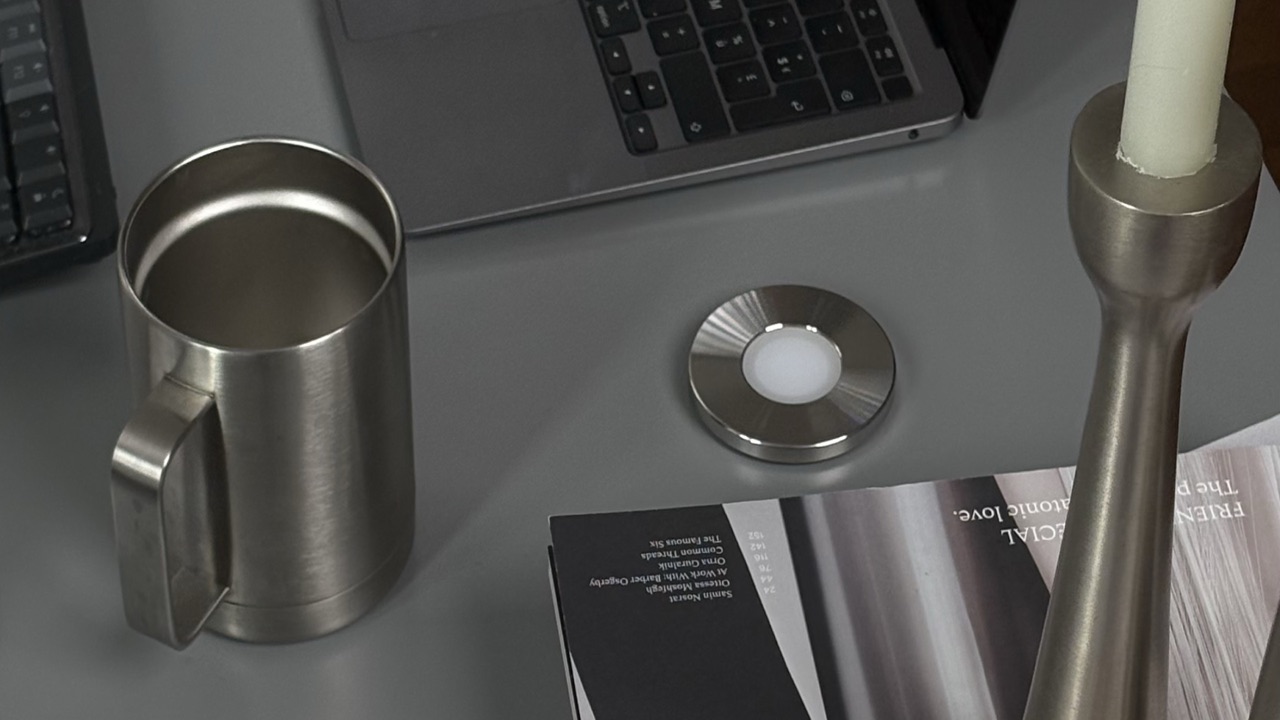
अगर ईमानदार समस्या यह है कि आपको अकाउंट चाहिए, फ़ीड नहीं, तो Norma ठीक इसी स्थिति के लिए बना है। कौन-से ऐप्स प्रभावित होंगे, यह आप चुनते हैं; अपने iPhone से स्टील की एक छोटी डिस्क स्कैन कीजिए और वे शांत हो जाते हैं, और तब तक शांत रहते हैं जब तक आप वही डिस्क दोबारा स्कैन न करें। उसे किसी दराज़ में छोड़ दीजिए और ब्लॉक अपने आप टिका रहता है — कोई टाइमर नहीं जिसका इंतज़ार करना पड़े, हाथ में पकड़ी उसी स्क्रीन पर कोई ऑफ़ स्विच नहीं। यह एक बार खरीदा जाता है, और Mac पर भटकाने वाली साइटें भी ब्लॉक करता है। अगर आपको कम भरोसा है कि समस्या प्लेटफ़ॉर्म ही हैं, तो वे संकेत जिन्हें गंभीरता से लेना चाहिए और फ़ीड ऐसे क्यों काम करते हैं बेहतर शुरुआती बिंदु हैं।
अकाउंट रखिए। फ़ीड छोड़िए।
स्टील की एक डिस्क स्कैन कीजिए और आपके चुने हुए ऐप्स शांत हो जाते हैं — जब तक आप उसे दोबारा स्कैन न करें। एक बार खरीदिए, कोई सब्सक्रिप्शन नहीं।
अक्सर पूछे जाने वाले सवाल।
- मैं सोशल मीडिया से ब्रेक कैसे लूँ?
- तय प्लेटफ़ॉर्म और एक तय आख़िरी तारीख़ चुनिए, जो लोग आपके साथ चीज़ें तय करते हैं उन्हें बताइए कि इसकी जगह आप तक कैसे पहुँचें, जो कुछ सिर्फ़ किसी ग्रुप चैट में रहता है उसे कहीं और ले जाइए, फिर ऐप्स हटा दीजिए या ब्लॉक कर दीजिए। ये ब्योरे पहले से तय कर लेना इच्छाशक्ति से ज़्यादा मायने रखता है, क्योंकि पहला हफ़्ता आमतौर पर तलब पर नहीं, किसी व्यावहारिक समस्या पर टूटता है।
- क्या मुझे सोशल मीडिया छोड़ देना चाहिए?
- ज़रूरी नहीं, और इस बारे में ईमानदार रहना ठीक है। अगर कोई प्लेटफ़ॉर्म आपकी कमाई, आपका समुदाय या विदेश में रहने वाले लोगों से आपकी इकलौती कड़ी है, तो पूरी तरह निकल जाने की कीमत तुरंत चुकानी पड़ती है, जबकि फ़ायदा अनिश्चित रहता है। ब्रेक का फ़ायदा ज़्यादा होने की गुंजाइश तब है जब आप पोस्ट करने के बजाय ज़्यादातर खपाते हैं, जब आप तय किए बिना ऐप खोल लेते हैं, और जब आप पहले कम इस्तेमाल करने की कोशिश कर चुके हैं और वह टिकी नहीं।
- सोशल मीडिया ऐप्स हटाना बेहतर है या सिर्फ़ लॉग आउट कर देना?
- लॉग आउट करना एक स्पीड ब्रेकर है — पासवर्ड सेव है और ब्राउज़र अब भी चलता है। ऐप हटाकर अकाउंट रखना ब्रेक के लिए आमतौर पर सही जवाब है: कुछ खोता नहीं और अंदर जाने का सबसे तेज़ रास्ता ग़ायब हो जाता है। अकाउंट स्थायी रूप से हटाना अलग फ़ैसला है, वह आमतौर पर पलटा नहीं जा सकता, और वह देर रात लेने वाला फ़ैसला नहीं है।
- सोशल मीडिया से ब्रेक के क्या फ़ायदे हैं?
- बताए गए फ़ायदे मामूली और असंगत हैं। 154 वयस्कों के एक रैंडमाइज़्ड ट्रायल में एक हफ़्ते की दूरी के बाद बेहतर सेहत और अवसाद व चिंता के कम स्कोर मिले, जिसे लेखकों ने अल्पकालिक फ़ायदा बताया। दस परहेज़ अध्ययनों को जोड़ने वाले 2025 के एक मेटा-विश्लेषण में मनोदशा या जीवन-संतुष्टि पर कोई सार्थक औसत प्रभाव नहीं मिला। Facebook पर हुए एक बड़े निष्क्रियकरण प्रयोग में व्यक्तिपरक सेहत बेहतर और ऑफ़लाइन मेल-जोल ज़्यादा मिला, और साथ ही ख़बरों की तथ्यात्मक जानकारी कम।
- सोशल मीडिया से ब्रेक कितना लंबा होना चाहिए?
- सबूतों पर टिकी कोई सर्वोत्तम अवधि नहीं है। 2025 के मेटा-विश्लेषण में लोगों के परहेज़ की अवधि और नतीजे के बीच कोई संबंध नहीं मिला। प्रकाशित ट्रायल एक से चार हफ़्तों के आसपास सिमटते हैं, और नकल करने के लिए यह वाजिब दायरा है — इतना लंबा कि पहला हफ़्ता पार हो जाए, और इतना छोटा कि आप लोगों को बता सकें कि आप कब लौट रहे हैं।
- जब आप सोशल मीडिया इस्तेमाल करना बंद कर देते हैं तो क्या होता है?
- Facebook के चार-हफ़्ते वाले निष्क्रियकरण प्रयोग में लोगों ने ऑफ़लाइन गतिविधियों में — जिनमें परिवार और दोस्तों के साथ मेल-जोल भी शामिल था — ज़्यादा समय बिताया, व्यक्तिपरक सेहत बेहतर बताई, ख़बरों के बारे में कम जाना, और अध्ययन ख़त्म होने के बाद उस प्लेटफ़ॉर्म का इस्तेमाल काफ़ी कम किया। निजी तौर पर, शुरुआत का सबसे आम अनुभव बस यही होता है कि वे चीज़ें छूट जाती हैं जिनकी घोषणा सिर्फ़ ऐप में ही हुई थी।
स्रोत
- 1.Scientific Reports (2025) · The effects of social media abstinence on affective well-being and life satisfaction: a systematic review and meta-analysis
- 2.University of Bath · “Social media break improves mental health – new study” (एक हफ़्ते का रैंडमाइज़्ड कंट्रोल्ड ट्रायल, 154 प्रतिभागी)
- 3.NBER Working Paper 25514 · Allcott, Braghieri, Eichmeyer और Gentzkow, “The Welfare Effects of Social Media” (चार हफ़्ते का Facebook निष्क्रियकरण प्रयोग)
- 4.Pew Research Center (2018) · “Americans are changing their relationship with Facebook”