डिजिटल डिटॉक्स शुरू करना आसान है और बरबाद करना भी। एक वीकेंड के लिए ग़ायब हो जाने में ज़्यादातर योजना और एक चार्ज किया हुआ ई-रीडर लगता है। यह तय सोमवार करता है कि उसका कोई मोल था या नहीं — यह नहीं कि आपने कितनी सफ़ाई से स्विच ऑफ़ किया, बल्कि यह कि फ़ोन दोबारा चालू होने पर क्या बदलता है।
डिजिटल डिटॉक्स असल में है क्या
अपनी कुछ या सारी स्क्रीनों से लिया गया सोचा-समझा, समय-सीमित विराम। पूरी परिभाषा बस इतनी है। यह शब्द विषहरण से उधार लिया गया है, और भ्रम वहीं से शुरू होता है: आपके भीतर से कुछ भी धुलकर बाहर नहीं जाता, और कोई रसायन दोबारा नहीं सधता — उस दावे को हमने अलग से खोलकर देखा है। यह एक व्यवधान है, इलाज नहीं। कुछ दिन दूर रहना बता देता है कि कौन-से ऐप्स आप बिना तय किए खोलते हैं, और हफ़्ते का कितना हिस्सा फ़ीड चुपचाप थामे हुए थी।
शोध असल में क्या दिखाता है
सबसे साफ़ नतीजा University of Bath में हुआ एक यादृच्छिक परीक्षण है। 18 से 72 वर्ष की उम्र के 154 लोगों को दो हिस्सों में बाँटा गया: एक हफ़्ता Instagram, Facebook, Twitter और TikTok से दूर, और बाक़ी सब हमेशा की तरह। विराम वाले समूह ने उस हफ़्ते सोशल मीडिया पर औसतन 21 मिनट बिताए, जबकि नियंत्रण समूह ने सात घंटे, और उसमें मानसिक भलाई, अवसाद तथा चिंता में सार्थक सुधार दिखा। कुछ लोगों के लिए रुकने से लगभग नौ घंटे ख़ाली हुए। शोधकर्ताओं ने इसे अल्पकालिक फ़ायदा कहा।
थोड़ा पीछे हटकर देखें तो तस्वीर और संयत हो जाती है। 20 यादृच्छिक परीक्षणों के 2025 के एक मेटा-विश्लेषण में जीवन-संतुष्टि और आत्म-सम्मान पर छोटा पर सकारात्मक असर मिला, और चिंता, अवसाद तथा अकेलापन कम मिला। शोधकर्ता अब भी व्यापक प्रमाणों को निर्णायक से कोसों दूर बताते हैं। सबसे छोटा संस्करण सबसे कम करता है: स्मार्टफ़ोन से लगभग 24 घंटे की दूरी मापी गई, तो सिर्फ़ तलब ही हिली।
और 2023 के एक अध्ययन में, जिन लोगों ने अपना रोज़ का फ़ोन इस्तेमाल एक घंटा घटाया, उन्हें पूरी तरह छोड़ देने वालों से ज़्यादा मज़बूत और ज़्यादा देर टिकने वाला फ़ायदा हुआ। जो संस्करण सबसे सख़्त है, वही टिकने वाला नहीं है।
मुख्य बातें
- डिटॉक्स एक व्यवधान है, इलाज नहीं।
- सोशल मीडिया से एक हफ़्ते की दूरी के पीछे परीक्षण के प्रमाण हैं; 24 घंटे ज़्यादातर तलब ही पैदा करते हैं।
- 20 यादृच्छिक परीक्षणों को मिलाकर असर छोटे पर सकारात्मक हैं, कायापलट करने वाले नहीं।
- रोज़ एक घंटा घटाना, टिकाऊ फ़ायदे के मामले में, पूरी तरह छोड़ देने पर भारी पड़ा।
- लौटते वक़्त आप जो बचाकर रखते हैं, वही तय करता है कि इसका कोई हिसाब बना या नहीं।
पहले दायरा चुनिए, फिर तरीक़ा
सारी स्क्रीनें ज़्यादा साफ़ कहानी है और थामे रखने में ज़्यादा मुश्किल। यह तब काम करती है जब माहौल ख़ुद काम कर दे — कोई यात्रा, कोई ऐसी जगह जहाँ सिग्नल न हो — और तब बुरी तरह नाकाम होती है जब आप घर पर हों और लैपटॉप की ज़रूरत हो। वे दो ऐप्स जो सचमुच आपको महँगे पड़ते हैं एक आम हफ़्ते में टिक जाता है: अपनी स्क्रीन-टाइम रिपोर्ट खोलिए और उन दो-तीन को निकाल दीजिए जो सबसे ज़्यादा घंटे ले जाते हैं। बताने में कम प्रभावशाली, टिकने में कहीं ज़्यादा संभावित। यही वह नियम भी है जिससे स्थायी कटौती काम करती है।
- एक शाम। सात बजे से सब बंद। सबसे कम महत्वाकांक्षी तरीक़ा और दोहराने में सबसे आसान, और इसी से यह घटना नहीं, आदत बनता है। पश्चिमी भारत के वडगाँव में 15,000 निवासी हर रात 90 मिनट का स्विच-ऑफ़ निभाते हैं।
- एक वीकेंड। शुक्रवार शाम से रविवार शाम तक। इतना लंबा कि बेचैनी वाला हिस्सा निकल जाए, इतना छोटा कि कुछ टूटे नहीं। ज़्यादातर लोगों के लिए यही सही पहली कोशिश है।
- एक हफ़्ता। वही तरीक़ा जिसके बारे में परीक्षण के प्रमाण हैं। आमतौर पर इसे पूरी तरह के बजाय निशाना साधकर करना पड़ता है।
- 7 या 30 दिन की कोई चुनौती। एक ढाँचा, तरीक़ा नहीं। चौथे दिन छोड़ दिए गए तीस दिन उस एक शाम से कम सिखाते हैं जिसे आप बचाकर रखते हैं।
इसे ऐसे सेट कीजिए कि यह हक़ीक़त से टकराकर बचा रहे
- अपवाद पहले लिख लीजिए। नक़्शे, कैमरा, बैंकिंग, वह चैट जो आपका परिवार इस्तेमाल करता है। जो नियम आपने कभी तय ही नहीं किया, वह पहली असुविधा पर दोबारा तय कर लिया जाता है।
- लोगों को पहले से बता दीजिए, और किसी एक को साथ ले लीजिए। डिटॉक्स मनोवैज्ञानिक रूप से कम और सामाजिक रूप से ज़्यादा टूटते हैं: किसी को जवाब चाहिए होता है, और जवाब देने का इकलौता रास्ता फ़ोन खोलना होता है। वडगाँव का स्विच-ऑफ़ इसलिए टिकता है क्योंकि पूरा गाँव उसे एक ही वक़्त पर निभाता है।
- तय कीजिए कि वे घंटे किसलिए हैं। नौ ख़ाली घंटे बहुत सारी शाम होते हैं। ऐसी चीज़ें चुनिए जो धीरे शुरू होती हैं और जिन्हें छोड़ना मुश्किल है, और ऊब के लिए भी जगह छोड़िए।
दूसरा दिन, जब जोश ख़त्म हो जाता है
पहली शाम अच्छी लगती है। दूसरा दिन ही वह जगह है जहाँ यह आमतौर पर ख़त्म होता है, और इस नाकामी की एक शक्ल होती है: ऊब, हल्की चिड़चिड़ाहट, तलब सबसे तेज़, और ऐप दो टैप दूर। इसलिए ब्लॉक तब लगाना पड़ता है जब आप अब भी उत्साह में हों, और उसे वहाँ से लागू करना पड़ता है जहाँ तक दूसरे दिन वाला आपका रूप पहुँच न सके। जो कुछ भी दो टैप में पलटा जा सकता है, वह आख़िरकार पलट ही दिया जाता है — इसी वजह से बिल्ट-इन सीमाएँ चुपचाप काम करना बंद कर देती हैं।
ईमानदार हिस्सा
ऑफ़लाइन बिताया एक वीकेंड अपने आप कुछ नहीं बदलता। अकेले-अकेले किए गए डिटॉक्स पर हुए अध्ययनों में मिले-जुले और अक्सर कम टिकने वाले असर मिलते हैं: लोग थोड़ी देर धीमे पड़ते हैं, फिर जाने-पहचाने ढर्रे पर लौट आते हैं, कभी-कभी पहले से भी ऊँचे स्तर पर। इसकी क़ीमत ठीक उतनी है जितना आप इसमें से बचाकर रखते हैं।
लौटने पर क्या बचाकर रखें
यह ख़त्म होने से एक दिन पहले तय कीजिए, अगली सुबह नहीं, और सूची इतनी छोटी रखिए कि वह असली रहे।
- एक ऐप वापस नहीं आता। जिसकी कमी सबसे कम खली, वही ईमानदार जवाब है।
- चार्जर बेडरूम के बाहर ही रहता है। यह दिन का आख़िरी घंटा और पहला घंटा हटा देता है, बिना किसी लगातार क़ीमत के।
- दिन में एक ऑफ़लाइन खिड़की, तय समय पर। हर शाम का एक घंटा छह महीने बाद के एक और वीरतापूर्ण वीकेंड पर भारी है।
- ब्लॉक बनाए रखिए, रस्म छोड़ दीजिए। ऐप्स एक अवरोध के पीछे रहते हैं; यह घटना होना बंद हो जाता है।
कोई औज़ार आपकी जगह फ़ैसला नहीं करेगा। जिन शोधकर्ताओं ने एक साल उन लोगों के साथ बिताया जो इस्तेमाल घटाने की कोशिश कर रहे थे, वे ब्लॉकर, दोबारा फिसलन और नई ख़रीदारी के एक चक्र का ब्योरा देते हैं — आत्म-नियंत्रण बदला नहीं, बाहर सौंप दिया गया। औज़ार जो कर सकता है, वह है उस फ़ैसले को थामे रखना जो आप पहले ही ले चुके हैं।
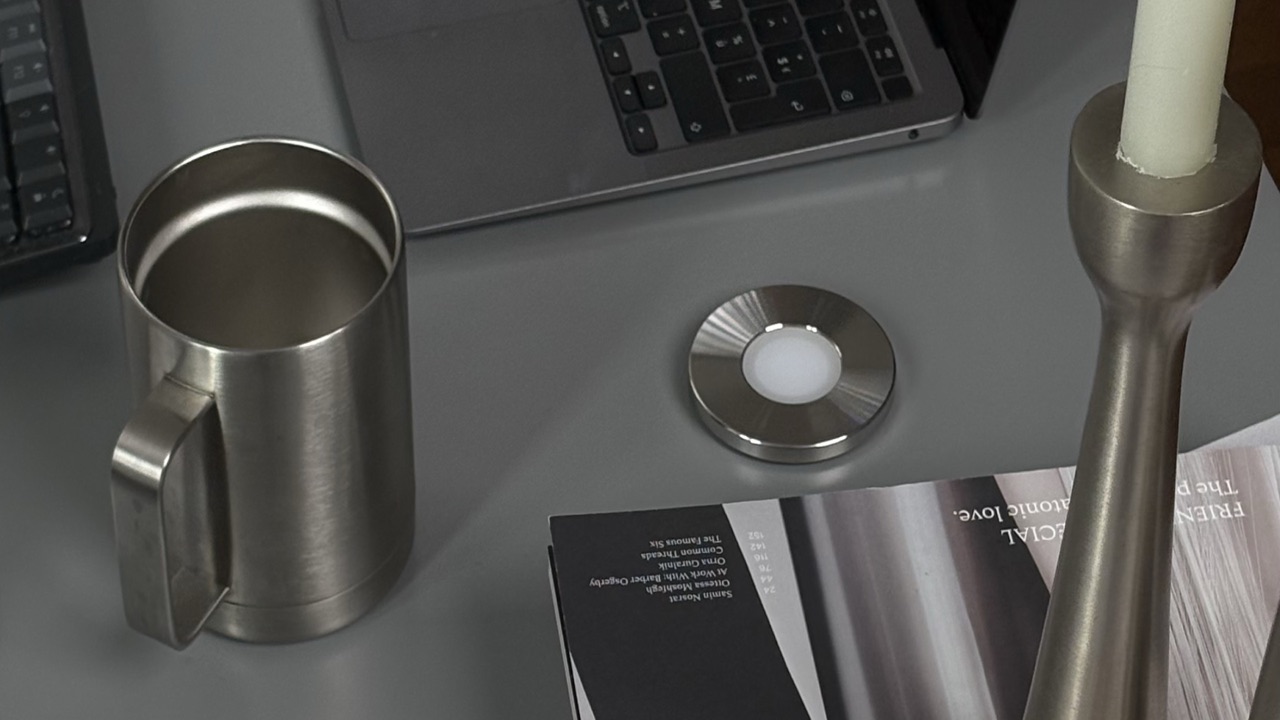
Norma ठीक यही है, जान-बूझकर बुद्धू बनाकर रखी गई: स्टेनलेस-स्टील की एक डिस्क जिसे आप अपने iPhone से स्कैन करके अपने चुने हुए ऐप्स ब्लॉक करते हैं। वे तब तक ब्लॉक रहते हैं जब तक आप उसे दोबारा स्कैन न करें, इसलिए इसे ख़त्म करने का मतलब है वहाँ तक चलकर जाना जहाँ डिस्क रखी है। आपके Mac पर भटकाने वाली साइटों के साथ भी यह वही करती है। यह ऐसे काम करता है।
वीकेंड ने जो दिया, उसे बचाकर रखिए।
स्टील की एक डिस्क जिसे आप स्कैन करके अपने चुने हुए ऐप्स ब्लॉक करते हैं। वे तब तक ब्लॉक रहते हैं जब तक आप उसे दोबारा स्कैन न करें।
अक्सर पूछे जाने वाले सवाल।
- डिजिटल डिटॉक्स क्या है?
- अपनी कुछ या सारी स्क्रीनों से लिया गया सोचा-समझा, समय-सीमित विराम — एक शाम, एक वीकेंड, एक हफ़्ता — जिसका मक़सद बार-बार फ़ोन देखने और स्क्रॉल करने जैसी आदतों को तोड़ना है। नाम के बावजूद आपके शरीर से कुछ भी धुलकर बाहर नहीं जाता; यह इतना करता है कि दिखा देता है कौन-सी आदतें चुनाव थीं और कौन-सी महज़ प्रतिवर्त।
- डिजिटल डिटॉक्स कैसे करें?
- पहले दायरा तय कीजिए: सारी स्क्रीनें, जो बिना सिग्नल वाली यात्रा पर जँचती हैं, या वे दो-तीन ऐप्स जो आपके सबसे ज़्यादा घंटे लेते हैं, जो एक आम हफ़्ते पर जँचते हैं। फिर अपवाद लिख लीजिए, लोगों को बता दीजिए कि आप तक कैसे पहुँचें, तय कीजिए कि ख़ाली हुए घंटे किसलिए हैं, और ब्लॉक को आसान पहुँच से बाहर रख दीजिए।
- डिजिटल डिटॉक्स कितना लंबा होना चाहिए?
- एक वीकेंड समझदारी भरी पहली कोशिश है; सबसे अच्छे प्रमाण एक हफ़्ते के पास हैं। University of Bath के एक यादृच्छिक परीक्षण में, सोशल मीडिया से एक हफ़्ते की दूरी लेने वाले 154 लोगों में मानसिक भलाई, अवसाद और चिंता के मामले में सार्थक सुधार दिखा। वहीं एक दिन के विराम में सिर्फ़ तलब ही हिली।
- डिजिटल डिटॉक्स के क्या फ़ायदे हैं?
- असली, पर मामूली। 20 यादृच्छिक परीक्षणों के 2025 के एक मेटा-विश्लेषण में जीवन-संतुष्टि और आत्म-सम्मान पर छोटे सकारात्मक असर मिले, साथ ही चिंता, अवसाद और अकेलापन कम मिला; Bath के अध्ययन ने कुछ लोगों के लिए हफ़्ते के लगभग नौ घंटे ख़ाली किए। शोधकर्ता अब भी प्रमाणों को निर्णायक से कोसों दूर बताते हैं, और स्थायी बदलाव के बिना असर फीके पड़ जाते हैं।
- क्या डिजिटल डिटॉक्स चैलेंज काम करते हैं?
- 7 दिन या 30 दिन की चुनौती एक ढाँचा है, तरीक़ा नहीं। अकेले-अकेले किए गए डिटॉक्स पर हुए शोध में मिले-जुले और अक्सर कम टिकने वाले नतीजे मिलते हैं: लोग रुकते हैं, फिर जाने-पहचाने ढर्रे पर लौट आते हैं, कभी-कभी पहले से भी ऊँचे स्तर पर। चुनौती अपनी क़ीमत तब वसूल करती है जब वह किसी ऐसे डिफ़ॉल्ट पर ख़त्म हो जिसे आप थामे रखते हैं।
- स्क्रीन-रहित वीकेंड में क्या करें?
- शुक्रवार से पहले तय कर लीजिए। दो-तीन ऐसी चीज़ें तय कीजिए जो धीरे शुरू होती हैं और जिन्हें छोड़ना मुश्किल है — कुछ दूसरे लोगों के साथ, कुछ शारीरिक, कुछ खुले में — क्योंकि ख़ाली शनिवार की शाम वही भर देता है जो सबसे आसानी से हाथ में आ जाए। लोगों को बता दीजिए कि आप ऑफ़लाइन रहेंगे, और वह बदलाव चुन लीजिए जिसे आप बचाकर रखेंगे।
स्रोत
- 1.University of Bath · “Social media break improves mental health, new study” (Lambert et al., Cyberpsychology, Behavior and Social Networking, 2022)
- 2.The Conversation · Joanne Orlando, Western Sydney University — “What is a ‘digital detox’ and will it make me healthier?”
- 3.The Conversation · Quynh Hoang, University of Leicester — “Digital detox: how to switch off without paying the price”
- 4.Wilcockson, Osborne & Ellis · “Digital detox: The effect of smartphone abstinence on mood, anxiety, and craving,” Addictive Behaviors (2019)