Blocchi la mattinata per l’unico lavoro che conta davvero. Alle undici hai risposto a quattordici messaggi, hai subito una call che poteva essere tre righe di testo, e hai toccato il lavoro vero due volte. Non è andato storto niente. Era una giornata normale.
Concentrarsi al lavoro è un problema più difficile che concentrarsi altrove, e quasi tutti i consigli saltano il motivo. A casa puoi mettere il telefono in un cassetto e chiudere il portatile. Al lavoro il portatile è il lavoro, i messaggi sono il lavoro, e la persona che ti spezza la concentrazione è un collega a cui giovedì dovrai chiedere qualcosa. Ecco cosa ha trovato la ricerca dentro luoghi di lavoro veri, e cosa farne.
Il lavoro è frammentato per costruzione
Gloria Mark e i suoi colleghi dell’Università della California a Irvine hanno osservato minuto per minuto 24 lavoratori della conoscenza nei loro uffici. Le persone restavano circa 11 minuti in una stessa working sphere, cioè un singolo filo di lavoro coerente, prima di passare a un’altra, e il 57% di quei tratti veniva interrotto prima di finire.
È una descrizione dell’ambiente, non un verdetto sulle persone che ci lavorano. Un ruolo è un insieme di fili aperti, ognuno con una scadenza e una coda di persone che aspettano qualcosa. La frammentazione è lo stato di riposo, e la concentrazione va contro la corrente della stanza. Qui c’è il prezzo completo di una singola interruzione.
L’open space ti interrompe due volte
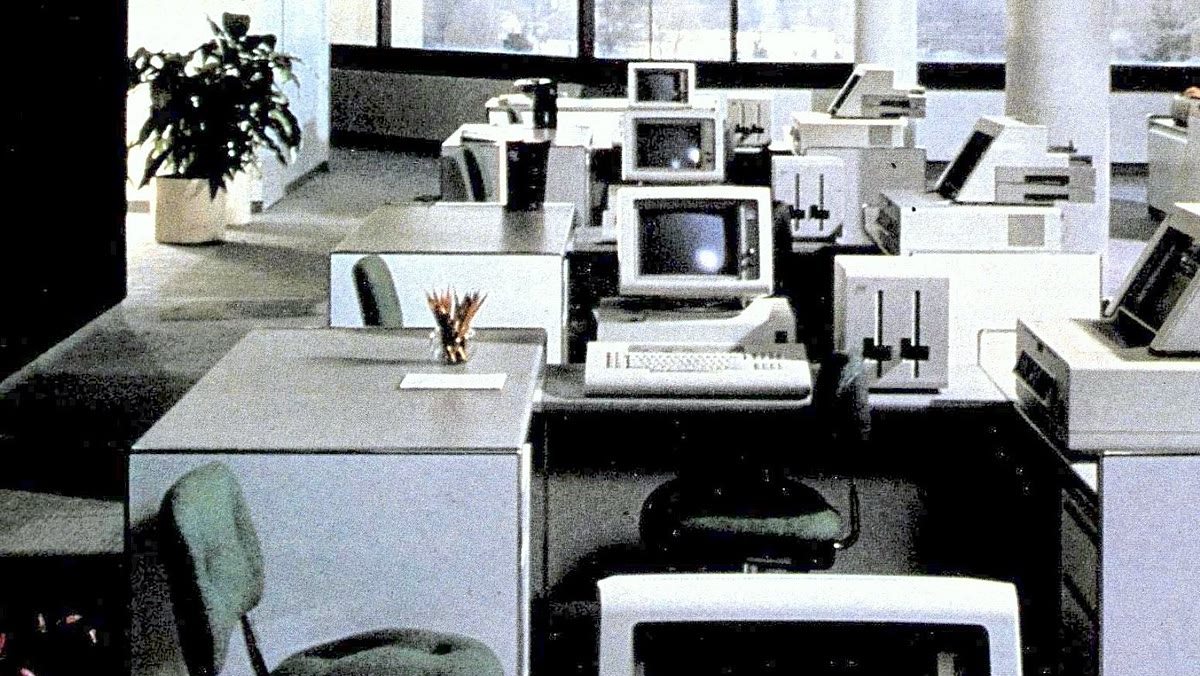
Il costo evidente di un open space è il collega alle tue spalle. Il costo misurato è più strano.
Laura Dabbish, Gloria Mark e Victor González hanno analizzato 889 ore di passaggi tra compiti osservati in 36 persone di tre aziende tecnologiche. Hanno scoperto che le persone negli ambienti open space interrompono se stesse più spesso. Non che venissero interrotte più spesso dagli altri. Che generavano più interruzioni proprie.
Il meccanismo è emerso dagli stessi dati: le interruzioni esterne in un’ora aumentavano in modo significativo le auto-interruzioni nell’ora successiva. Essere tirati via ti insegna a tirarti via da solo. Un’ora dopo il colpetto sulla spalla le interruzioni le produci tu, e la stanza non deve più fare niente.
Quindi la risposta onesta a come mi concentro in open space non sono le cuffie. La stanza ti ha allenato un’abitudine, e a metà mattina quell’abitudine è la metà più grande del problema.
Punti chiave
- Il lavoro è frammentato per impostazione predefinita: circa 11 minuti su uno stesso filo prima di cambiare, e il 57% di quei tratti interrotto.
- L’open space aumenta le auto-interruzioni, così l’abitudine sopravvive al rumore.
- Raggruppare i messaggi è legato a una produttività percepita più alta, ma non a meno stress.
- La distanza batte la volontà: un’altra stanza batte lo zaino, e lo zaino batte la scrivania.
- Difendi un solo tratto protetto invece dell’intera giornata.
Quattro cose che reggono
Niente di esotico, e tutte e quattro si decidono mentre sei calmo, prima che la giornata le metta alla prova.
1. Scegli un obiettivo che potresti dire ad alta voce
Non «andare avanti con la presentazione». Una frase che un collega capirebbe: la sezione prezzi, finita abbastanza bene da poter essere inviata. Da una sessione con un bersaglio dichiarato è molto più difficile scivolare via, perché lo scivolamento diventa visibile mentre accade. Senza, ogni messaggio che arriva sembra una cosa ragionevole da fare dopo, perché niente gli fa concorrenza.
2. Raggruppa i messaggi invece di sbocconcellarli
Mark e colleghi hanno seguito 40 lavoratori della conoscenza per 12 giorni lavorativi con registri del computer, biosensori e questionari quotidiani. Più lungo era il tempo quotidiano passato sulla posta, più bassa era la produttività che le persone attribuivano a se stesse e più alto il loro stress misurato. Controllare a blocchi definiti invece che di continuo era associato a una produttività percepita più alta.
Un limite onesto dallo stesso studio: nonostante quello che si ripete ovunque, i ricercatori non hanno trovato alcuna prova che raggruppare abbassi lo stress. Prendilo come un modo per portare a casa più lavoro, non come un modo per sentirti più tranquillo. Due o tre controlli in una mattina coprono quasi qualsiasi ruolo, e ciò che davvero non può aspettare ti raggiunge per telefono.
3. Rendi il blocco visibile agli altri
Una porta chiusa è un segnale. In open space devi costruirtene uno: un appuntamento ricorrente nel calendario condiviso con un nome vero sopra, uno stato che dica a che ora torni, delle cuffie su cui la squadra ha convenuto che significano adesso no. Un collega dovrebbe capire a colpo d’occhio che interromperti costa qualcosa, e l’impegno pubblico rende imbarazzante mollare in silenzio.
Comunica quando sarai disponibile invece di dire che non lo sei. «Torno alle 11» viene rispettato. «Non disturbare» viene messo alla prova.
4. Metti il telefono dove raggiungerlo ti costa qualche passo
Alcuni ricercatori dell’Università del Texas ad Austin hanno condotto esperimenti con quasi 800 persone, misurando la capacità cognitiva disponibile mentre un telefono silenziato stava sulla scrivania, in tasca o nello zaino, oppure in un’altra stanza. L’altra stanza ha ottenuto i risultati migliori, poi la tasca o lo zaino, la scrivania il peggiore. A faccia in su o a faccia in giù non ha fatto alcuna differenza misurabile, e nemmeno spegnere il telefono.
Al lavoro, un’altra stanza di solito significa un armadietto, un cassetto all’altro capo del piano, o uno zaino che devi alzarti per raggiungere. È la distanza a lavorare, non il gesto. Qui ci sono le stesse prove applicate allo studio.
Quanto vale un solo tratto protetto
Mark, Stephen Voida e Armand Cardello hanno tolto del tutto la posta elettronica per cinque giorni lavorativi a 13 persone dentro un’organizzazione, seguendole con registri del computer e cardiofrequenzimetri indossati. Senza posta, le persone cambiavano finestra meno spesso e restavano più a lungo in ciascuna, e lo stress misurato attraverso la variabilità della frequenza cardiaca era più basso.
Nessuno ti sta suggerendo di tagliare la posta per una settimana; lo studio l’ha fatto perché tu non debba farlo. Quello che stabilisce è la dimensione del premio, e il fatto che si riscuota a frazioni. Un’ora protetta è una versione più piccola dello stesso effetto.
La parte che non puoi sistemare
Slack e la posta elettronica non sono distrazioni dentro il tuo lavoro, ne fanno parte, e altre persone ci contano. Nessun assetto le fa sparire, e il consiglio che ti dice di bloccarle viene da qualcuno che non ha visto il tuo calendario. L’obiettivo realistico non è una giornata senza messaggi. Sono uno o due tratti protetti dentro una giornata che per il resto resta aperta.
Il limite di cui nessuno parla
Mark, Mary Czerwinski e Shamsi Iqbal hanno condotto uno studio sul campo in cui 32 lavoratori della conoscenza hanno usato un software per bloccare le distrazioni online per una settimana di lavoro ordinario. La concentrazione è salita in modo significativo su una misura validata, e nelle interviste le persone hanno dato un nome a ciò che si era fermato: il rabbit-holing, la discesa nella tana — il messaggio che diventa un articolo che diventa una risposta che diventa venti minuti. Il software non ha reso nessuno più forte. Ha tolto il primo gradino della catena.
I risultati non erano unanimi, e l’articolo lo dice senza giri di parole: 17 persone hanno riportato più benefici, 10 più costi, 4 erano neutrali, e il piacere nel lavoro è calato. Alcune, soprattutto quelle che avevano già il controllo del proprio lavoro, facevano meno pause e riferivano più tensione.
Sotto tutto questo c’è un problema strutturale che nessuno studio può risolvere al posto tuo. Quasi ogni blocco che installi al lavoro gira sulla macchina da cui lavori, che è la stessa macchina da cui lo disfai. Quattro secondi, una finestra di dialogo, la stessa persona che alza il limite nel momento in cui inizia a stringere. Quello non è un blocco, è un promemoria a te stesso, e fallisce nell’unico momento per cui è mai servito: i dieci minuti prima della riunione che temi. Qui c’è perché gli strumenti integrati hanno questa forma.
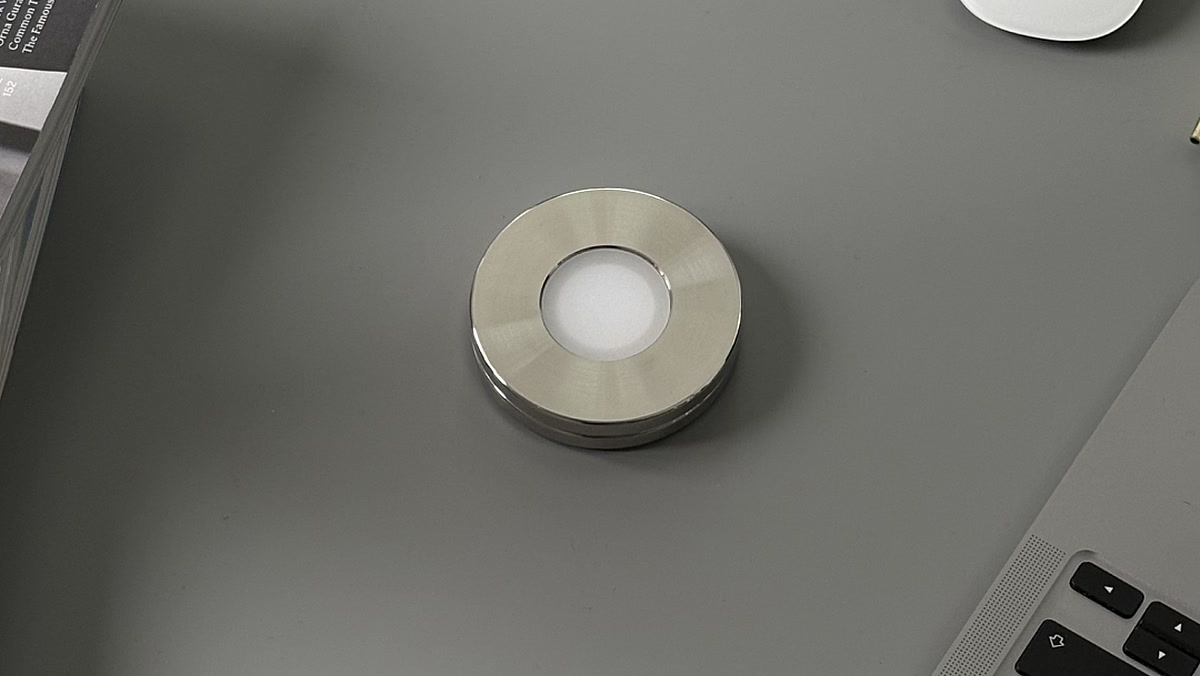
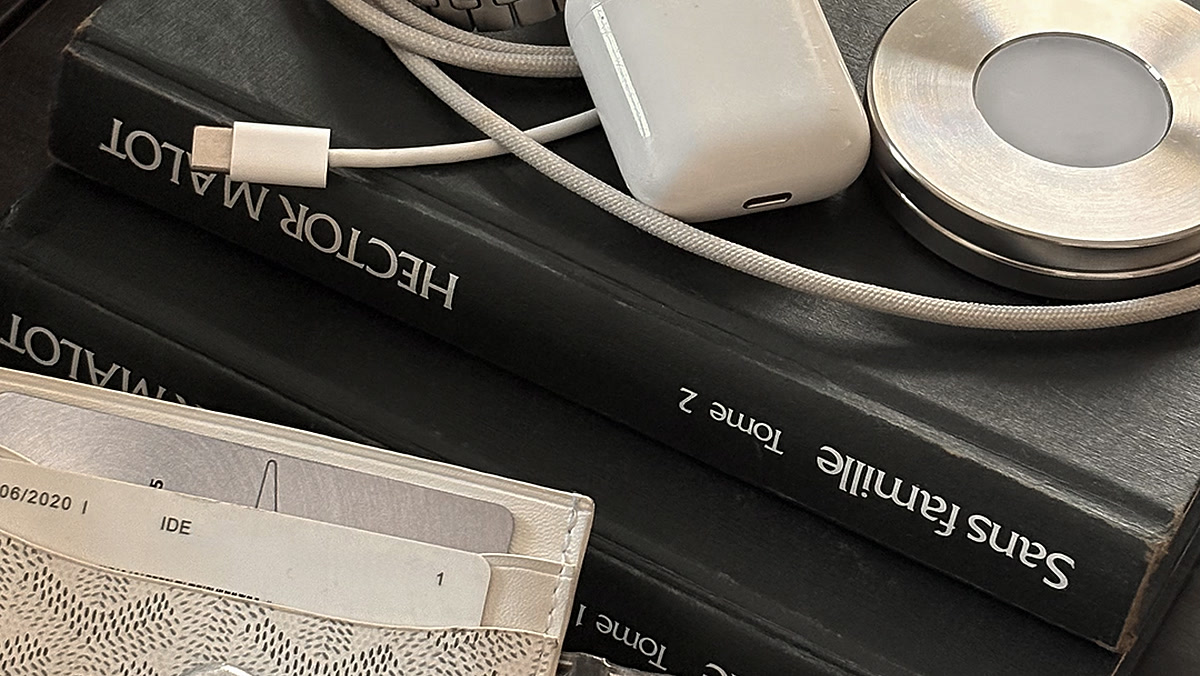
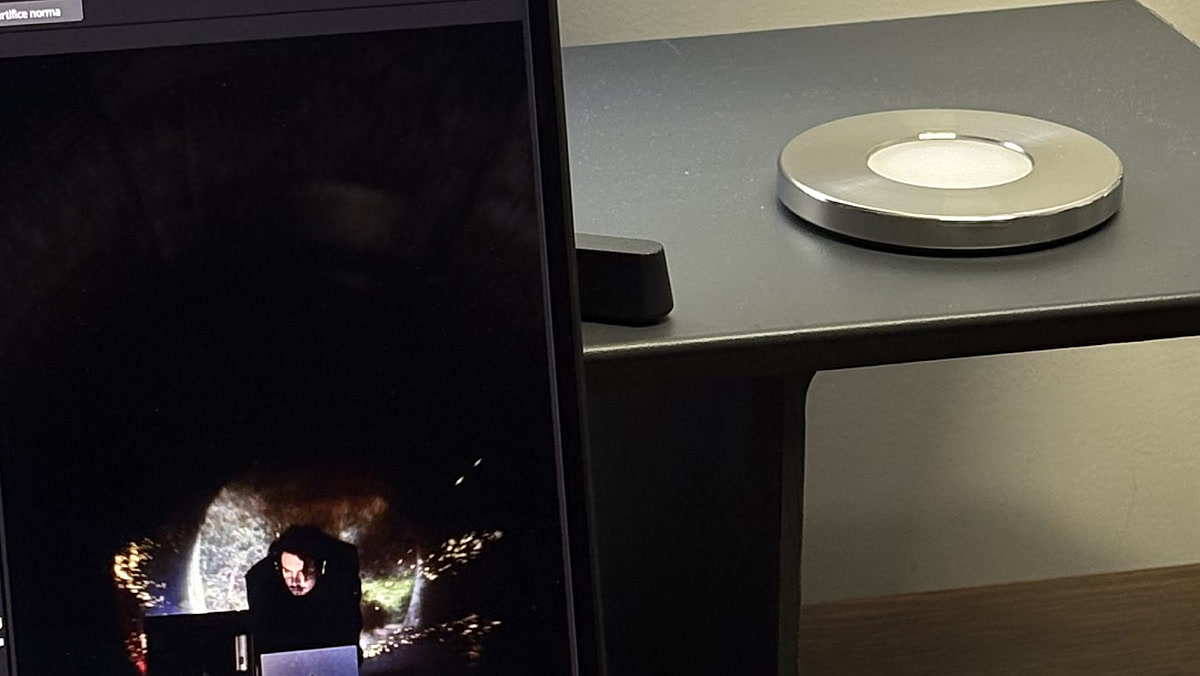
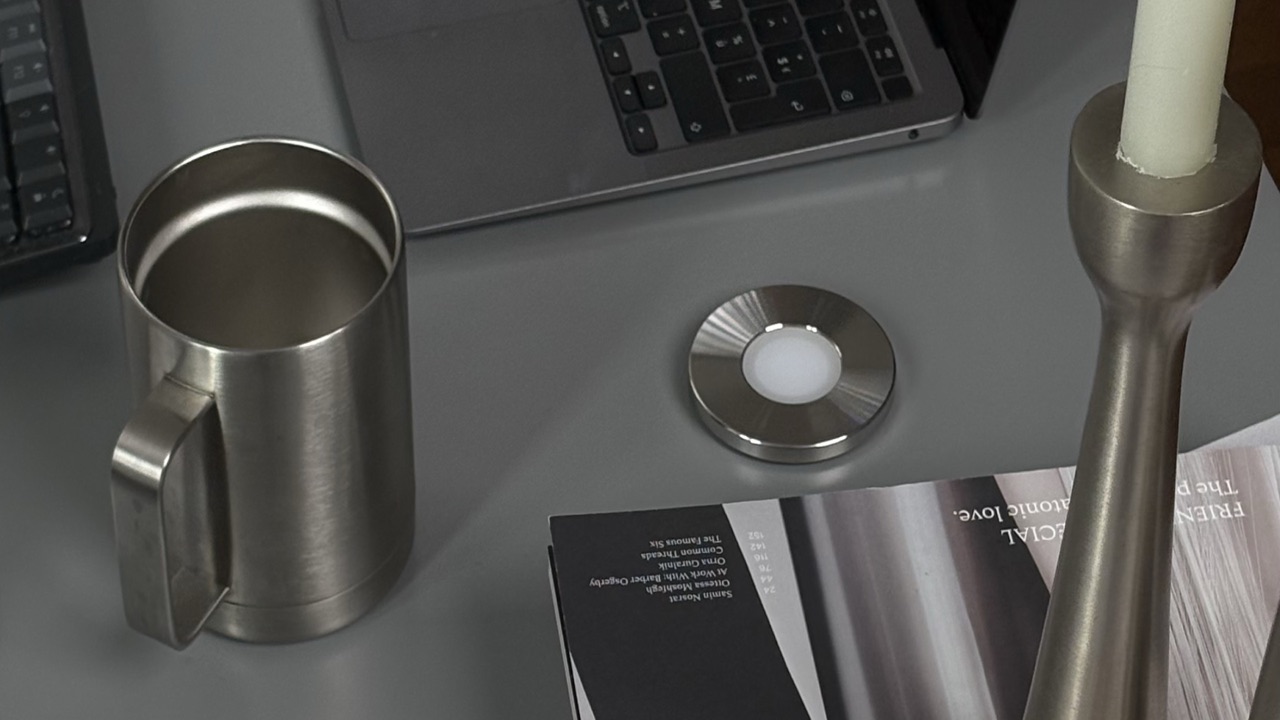
Norma è un modo per colmare quella distanza. È un disco in acciaio inossidabile che tieni sulla scrivania: lo scansioni con il tuo iPhone e le app che hai scelto spariscono, lo scansioni di nuovo e tornano. Poiché l’interruttore è un oggetto e non un menu del telefono, lasciare il disco in un cassetto è l’intero meccanismo che fa rispettare la scelta. Blocca anche i siti che distraggono su un Mac, che è la metà che quasi tutti i consigli sul lavoro saltano, visto che la scheda in cui perdi un pomeriggio sta sul computer che ti hanno dato per lavorare. Un acquisto solo, nessun abbonamento.
Proteggi un blocco della giornata.
Scansiona il disco, e le app e i siti che ti costano spariscono finché non scansioni di nuovo.
Domande frequenti.
- Come ci si concentra al lavoro?
- Decidi un obiettivo che potresti dire ad alta voce, proteggigli un solo tratto della giornata invece dell’intera giornata, raggruppa i messaggi in due o tre controlli definiti invece di sbocconcellarli, e metti il telefono in un posto che ti costa qualche passo. La concentrazione al lavoro è soprattutto una proprietà dell’assetto, non della persona, perché l’ambiente è costruito per frammentare l’attenzione per impostazione predefinita.
- Come faccio a smettere di distrarmi al lavoro?
- Lavora sulla catena invece che sulla singola distrazione. In uno studio sul campo di UC Irvine e Microsoft Research, i lavoratori della conoscenza che hanno usato un software di blocco per una settimana hanno descritto ciò che si era fermato come rabbit-holing: il messaggio che diventa un articolo che diventa una risposta. Togli il primo gradino e il resto della catena non accade. Provare a fermarsi al quarto non funziona quasi mai, perché a quel punto sei già altrove.
- Come ci si concentra in open space?
- Le cuffie e una sala prenotata aiutano meno di quanto ci si aspetti. Una ricerca che ha analizzato 889 ore di passaggi tra compiti osservati in tre aziende tecnologiche ha trovato che le persone in open space interrompono se stesse più spesso, e che essere interrotti in un’ora alzava in modo significativo le auto-interruzioni nell’ora dopo. La stanza ti allena un’abitudine, quindi la correzione deve riguardare i tuoi stessi cambi, non solo quelli dei colleghi: un obiettivo dichiarato, un segnale visibile che dica a che ora torni, e messaggi controllati a blocchi.
- Come faccio lavoro profondo se il mio ruolo è pieno di riunioni?
- Smetti di difendere l’intera giornata e difendine un tratto. Uno studio che ha tolto del tutto la posta elettronica per cinque giorni lavorativi ha trovato che le persone cambiavano finestra meno, restavano più a lungo in ciascuna e avevano meno stress misurato attraverso la variabilità della frequenza cardiaca. Nessuno può lavorare così per sempre, ma mostra quanto vale un blocco protetto, e i blocchi si riscuotono a frazioni. Novanta minuti in calendario con un nome vero sopra battono l’aspirazione a non essere disturbati.
- Come faccio a smettere di controllare il telefono al lavoro?
- La distanza fa più della forza di volontà. Esperimenti all’Università del Texas ad Austin con quasi 800 persone hanno trovato che chi aveva il telefono in un’altra stanza otteneva i risultati migliori nelle misure di capacità cognitiva disponibile, davanti alla tasca o allo zaino e davanti alla scrivania. Tutti i telefoni erano silenziati, e non ha fatto alcuna differenza misurabile che fossero a faccia in su o in giù, accesi o spenti. Al lavoro di solito significa un armadietto, uno zaino che dovresti alzarti per raggiungere, o un blocco che non puoi togliere dal telefono stesso.
- Perché non riesco più a concentrarmi al lavoro?
- Perché il ruolo è strutturato per impedirlo. Osservando 24 lavoratori della conoscenza nei loro uffici, i ricercatori di UC Irvine hanno trovato che le persone restavano circa 11 minuti su uno stesso filo di lavoro prima di cambiare, e che il 57% di quei tratti veniva interrotto prima di finire. Non è un problema di disciplina, è una descrizione dell’ambiente. La concentrazione al lavoro è qualcosa da costruire controcorrente, non qualcosa che la giornata ti regala.
Fonti
- 1.Gloria Mark, Victor González, Justin Harris, UC Irvine · «No Task Left Behind? Examining the Nature of Fragmented Work», CHI 2005 (24 lavoratori; ~11 minuti per working sphere; 57,1% interrotti)
- 2.Laura Dabbish, Gloria Mark, Victor González · «Why Do I Keep Interrupting Myself? Environment, Habit and Self-Interruption», CHI 2011 (889 ore; open space e auto-interruzione)
- 3.Gloria Mark, Stephen Voida, Armand Cardello · «A Pace Not Dictated by Electrons: An Empirical Study of Work Without Email», CHI 2012 (posta elettronica tolta per cinque giorni lavorativi; variabilità della frequenza cardiaca)
- 4.Gloria Mark, Shamsi Iqbal, Mary Czerwinski, Paul Johns, Akane Sano · «Email Duration, Batching and Self-interruption», CHI 2016 (40 lavoratori, 12 giorni lavorativi; raggruppamento e stress)
- 5.Gloria Mark, Mary Czerwinski, Shamsi Iqbal · «Effects of Individual Differences in Blocking Workplace Distractions», CHI 2018 (32 lavoratori della conoscenza, una settimana di blocco)
- 6.The University of Texas at Austin · «The Mere Presence of Your Smartphone Reduces Brain Power, Study Shows» (Adrian Ward et al., McCombs School of Business)