كنت تنوي أن تضعه جانبًا في الحادية عشرة. الساعة الآن الثانية عشرة والنصف، وما زلت في السرير، وما زلت ممسكًا به، والمنبّه مضبوط على السابعة. لم تكن تلك الساعة قرارًا حقيقيًا في أي لحظة منها. إنه أكثر إخفاقات اليوم قابلية للتنبّؤ — وعلاقته بقوة الإرادة أقل بكثير من علاقته بالمكان الذي يصادف أن يكون الهاتف فيه.
معظم النصائح في هذا الشأن نصائح عن الضوء: شغّل Night Shift، واقتنِ نظارة كهرمانية، وانتقل إلى الوضع الداكن. يستحق ذلك أن تعرفه، أساسًا لأنه الجزء الأقل يقينًا في الحكاية. أما التفسير الأقوى والأشدّ بلادة لسبب إفساد هاتفك ليلتك فهو أنه يبقيك مستيقظًا ويلتهم بهدوء الساعات التي كنت تنوي أن تنام فيها.
ماذا تقول الأدلة فعلًا
تُطرح آليتان. الأولى سلوكية، وهي التي يدور حولها أقل جدال: استخدام الهاتف في السرير يزيح النوم من مكانه. الوقت يذهب إلى مكان ما، ويذهب إلى هناك بدل أن يذهب إلى النوم. وفي أثناء ذلك يبقيك المحتوى — الرسائل، والموجزات، وبريد العمل، وكل ما يحمل شحنة عاطفية صغيرة — منشغلًا في اللحظة ذاتها التي يُفترض أن تهدأ فيها.
يظهر النمط أينما بحث الناس عنه. في دراسة شملت 433 طالبًا، كان من يستخدمون الهاتف أكثر من ساعتين عند النوم أكثر ميلًا بكثير إلى الحاجة لأكثر من ساعة كي يناموا — 25.5% منهم، مقابل 4.7% ممن استخدموه أقل من ساعة. هذا ارتباط في مجموعة واحدة من الطلاب لا دليل على السببية، ويستحق أن يُقرأ على هذا النحو. لكنه يشير إلى شيء تشكّ فيه أصلًا: الهاتف ليس غرضًا محايدًا تمسك به بينما تحاول أن تنام.
الآلية الثانية هي الشهيرة: الضوء الأزرق يثبّط الميلاتونين. الضوء يزيح إيقاع الساعة البيولوجية فعلًا، وهذا راسخ في المختبر. أما إن كان الضوء المتواضع نسبيًا الصادر عن هاتف في غرفة نوم مظلمة هو ما يخرّب نومك، فمسألة أقل حسمًا بكثير مما توحي به الرواية الشائعة. خلصت مراجعة منهجية من 2022 عن الضوء الأزرق لدى الشباب البالغين إلى أن جودة النوم ومدّته وزمن بدئه «لم تبدُ متأثّرة على نحو منهجي بالتعرّض للضوء الأزرق». ووجد تحليل تجميعي منفصل للتدخّلات المصمَّمة لخفض الضوء الأزرق المسائي — المرشّحات، والعدسات الكهرمانية، وأوضاع البرمجيات — أدلة متباينة فقط على نجاحها، مع أوضح الفوائد بين من كان لديهم بالفعل اضطراب في النوم أو المزاج، وأقلّ من ذلك بكثير لدى من ينامون بصحة جيدة.
القراءة العملية بسيطة. مرشّح الضوء الأزرق مجاني وغير ضار، فشغّله إن شئت. لكن لا تتوقّع أن يغيّر شيئًا وحده، لأنه يترك المشكلة الحقيقية على حالها: ما زلت ممسكًا بالهاتف، وما زلت تمرّر، وما زلت مستيقظًا.
أهم النقاط
- أقوى سبب لإفساد الهواتف للنوم هو السبب الممل: تأخذ الساعات وتبقيك مستيقظًا.
- الضوء الأزرق هو الآلية الشهيرة والأقل حسمًا — تجارب المرشّحات تعطي نتائج متباينة.
- مرشّح الشاشة يغيّر الضوء لا السلوك. التمرير يستمر في الحالتين.
- ما ينجح بشكل موثوق هو المسافة: الهاتف في مكان لن تمشي إليه نسختك المتعبة.
لماذا لا تصمد أبدًا عبارة «ضعه جانبًا فحسب»
لأنك في الحادية عشرة ليلًا أسوأ شخص ممكن لاتخاذ هذا القرار. أنت متعب، وحكمك متراجع، وما تفاوضه موجز مبنيّ بلا نهاية فيه. عليك أن تكسب هذا الجدال كل ليلة. أما الموجز فيكفيه أن يكسب مرة واحدة. إنها الحلقة ذاتها الكامنة خلف الـ doomscrolling، تعمل في الساعة التي تكلّف فيها أكثر ما تكلّف.
ثم هناك القرب، وهو ما يُحدث معظم الضرر. الهاتف على بُعد ذراع على الطاولة الجانبية لأنه أيضًا منبّهك. أعطيته سببًا ليكون في الغرفة، وها هو في الغرفة، ومدّ اليد إليه لا يتطلّب أي قرار.
خمسة أمور تنجح فعلًا
- اشحنه خارج غرفة النوم. هذا هو المقال كله في سطر. الهاتف في المطبخ ليس هاتفًا تتفقّده في الواحدة صباحًا، لأن تفقّده صار يكلّف مشيًا على أرضية باردة. لا شيء آخر في هذه القائمة يقترب منه في نسبة الجهد إلى العائد.
- اشترِ منبّهًا رخيصًا. الهاتف على الطاولة الجانبية يعيش على حجة واحدة — أنك تحتاج إلى المنبّه. أنفق خمسة عشر يورو وتختفي الحجة. هذه هي الخطوة التي يتخطّاها الناس، وهي الخطوة التي تجعل الخطوة الأولى ممكنة.
- قرّر نقطة التوقّف وأنت لست متعبًا. اختر الوقت في الصباح لا عند منتصف الليل. القاعدة التي يضعها نفسك المرتاح هي الوحيدة التي لدى نفسك المتعب فرصة لاتباعها، وينبغي أن تكون ساعة محدّدة لا «حين أشعر أنني اكتفيت».
- احذف التطبيقات التي تملك الساعة الأخيرة. ليس كلها. افتح تقرير وقت الشاشة لديك وجد التطبيقين أو الثلاثة التي تأخذ المساء بلا استثناء. فيها تكمن المشكلة كلها. احذفها، أو سجّل الخروج منها، أو احظرها ليلًا، كي لا يجد الانعكاس مكانًا يحطّ فيه.
- اجعل الحظر حظرًا لا تستطيع نقضه من السرير. كل إجراء أعلاه ينجح بمقدار صعوبة التراجع عنه بالضبط. إن كان بالإمكان صرف الحاجز من دون مغادرة الفراش، فسيُصرف.
ما لا يستطيع هذا إصلاحه
إن بقيت مستيقظًا ساعة والهاتف ليس قريبًا منك في أي مكان، أو استيقظت في الرابعة فجرًا وعجزت عن العودة إلى النوم، فهذه ليست عادة شاشة. الأرق المستمر مشكلة طبية لها علاجات حقيقية وفعّالة، ويجدر عرضها على طبيب بدل محاولة حلّها بروتين نوم أفضل.
العيب في كل حلّ يعيش على الهاتف
حدود وقت الشاشة، وأوضاع التركيز، ومؤقّتات التطبيقات، وجداول النوم، تشترك كلها في ضعف واحد: زرّ الإيقاف والإغراء يقيمان على الجهاز نفسه. الحدّ نافذة حوار عليها زرّ للصرف، على بُعد نقرة واحدة، تصل في اللحظة ذاتها التي تكون فيها أقل تجهيزًا لقول لا. هذا يجعله مطبًّا لتخفيف السرعة لا جدارًا — وهذه هي الحجة الكاملة لصالح الاحتكاك بدل قوة الإرادة.
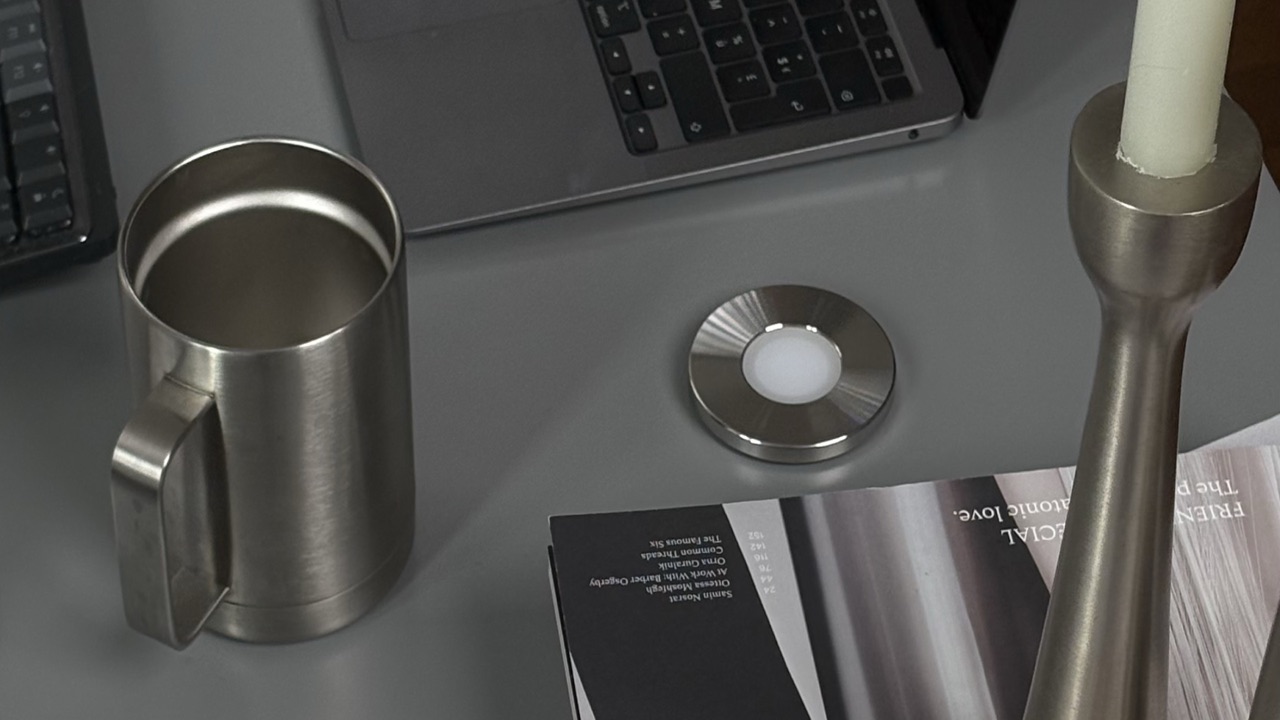
لأجل هذه الفجوة بُنيت نورما. إنها قرص فولاذي: تمسحه بهاتف الـ iPhone، فتصمت التطبيقات التي اخترتها، وتبقى صامتة حتى تمسح القرص ثانيةً بيدك. ما يهمّ عند النوم هو المكان الذي يقيم فيه القرص. اتركه في المطبخ ويصمد الحظر فعلًا في الحادية عشرة ليلًا، لأن نقضه يعني أن تنهض وتمشي إلى هناك — وهو ما لن تفعله، بشكل موثوق. لا نافذة حوار تجادلها ولا مؤقّت تمدّده. إليك كيف تعمل.
امنح المساء نهاية.
امسح القرص الفولاذي فتصمت التطبيقات التي اخترتها حتى تمسحه ثانيةً. اتركه في المطبخ ويصمد الحظر حتى من السرير.
أسئلة شائعة.
- كيف أتوقّف عن استخدام هاتفي قبل النوم؟
- توقّف عن الاعتماد على القرار وغيّر الترتيب بدلًا من ذلك. اشحن الهاتف في غرفة أخرى، واستخدم منبّهًا منفصلًا كي لا يبقى له سبب للوجود على الطاولة الجانبية، وضع حظرًا على التطبيقين أو الثلاثة التي تملك ساعتك الأخيرة — حظرًا لا تستطيع نقضه من دون النهوض من السرير.
- لماذا لا أستطيع وضع هاتفي جانبًا ليلًا؟
- لأنه يُطلب منك اتخاذ القرار نفسه كل ليلة، وأنت متعب، في مواجهة موجز لم تُبنَ فيه نهاية. عليك أن تكسب ذلك الجدال في كل مرة؛ أما الموجز فيكفيه أن يكسب مرة واحدة. إنها مشكلة تصميم أكثر بكثير مما هي مشكلة انضباط.
- هل يجب أن أبقي هاتفي خارج غرفة النوم؟
- إنه التغيير الأوحد صاحب أفضل عائد، وإرشادات صحة النوم توصي عادةً بجعل غرفة النوم منطقة خالية من الشاشات. السبب بسيط: الهاتف في غرفة أخرى يحوّل مدّ اليد التلقائي إلى مشي متعمَّد، ومعظم استخدام الهاتف في وقت متأخّر من الليل لا ينجو من هذا القدر من الاحتكاك.
- هل يفسد الضوء الأزرق من هاتفي النوم حقًا؟
- بوضوح أقل مما قيل لك. الضوء يؤثّر في الساعة البيولوجية في المختبر، لكن مراجعة منهجية من 2022 وجدت أن جودة النوم ومدّته وزمن بدئه لم تتأثّر على نحو منهجي بالتعرّض للضوء الأزرق، وتجارب التدخّلات الحاجبة للضوء الأزرق تعطي نتائج متباينة — مع أوضح فائدة لدى من كان لديهم بالفعل اضطراب في النوم أو المزاج. Night Shift لا يكلّف شيئًا، فاستخدمه، لكن لا تتوقّع منه إصلاح العادة.
- كم من الوقت قبل النوم ينبغي أن أتوقّف عن استخدام الهاتف؟
- من ثلاثين إلى ستين دقيقة هي التوصية المعتادة، وهي نقطة انطلاق معقولة أكثر منها رقمًا دقيقًا مدعومًا بالأدلة. وما يهمّ أكثر من الفارق الزمني الدقيق هو ما إذا كان الهاتف في متناول يدك بمجرد أن تصير في السرير — فالحدّ الزمني الصارم مع وجود الهاتف على الطاولة الجانبية لا ينجو من الليل عادةً.
- كيف أتوقّف عن التمرير في السرير؟
- أزل الخيار بدل أن تقاومه. انزع التطبيقات المعنية من الهاتف أو احظرها لليلة، وأبقِ الجهاز خارج الغرفة، وامنح المساء نقطة نهاية ثابتة تحدّدها في وقت أبكر من النهار. أما أن تقرّر التوقّف وأنت تمرّر بالفعل، فهو النهج الوحيد الذي لا ينجح تقريبًا أبدًا.
المصادر
- 1.Sleep Foundation · «How Electronics Affect Sleep» (الشاشات، والاستثارة، وجعل غرفة النوم خالية من الشاشات)
- 2.Krishnan et al., Int. J. Preventive Medicine 2020 · «Quality of Sleep Among Bedtime Smartphone Users» (433 طالبًا؛ أكثر من ساعتين من الاستخدام عند النوم مقابل أقل من ساعة)
- 3.Silvani, Werder & Perret, Frontiers in Physiology 2022 · «The influence of blue light on sleep, performance and wellbeing in young adults: A systematic review»
- 4.Shechter et al., Sleep Advances 2020 · «Interventions to reduce short-wavelength (‘blue’) light exposure at night and their effects on sleep: A systematic review and meta-analysis»